Xiaomi 17T Pro vs OnePlus 15
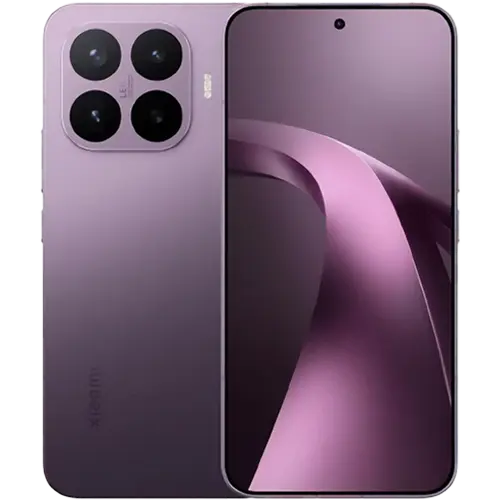
Xiaomi
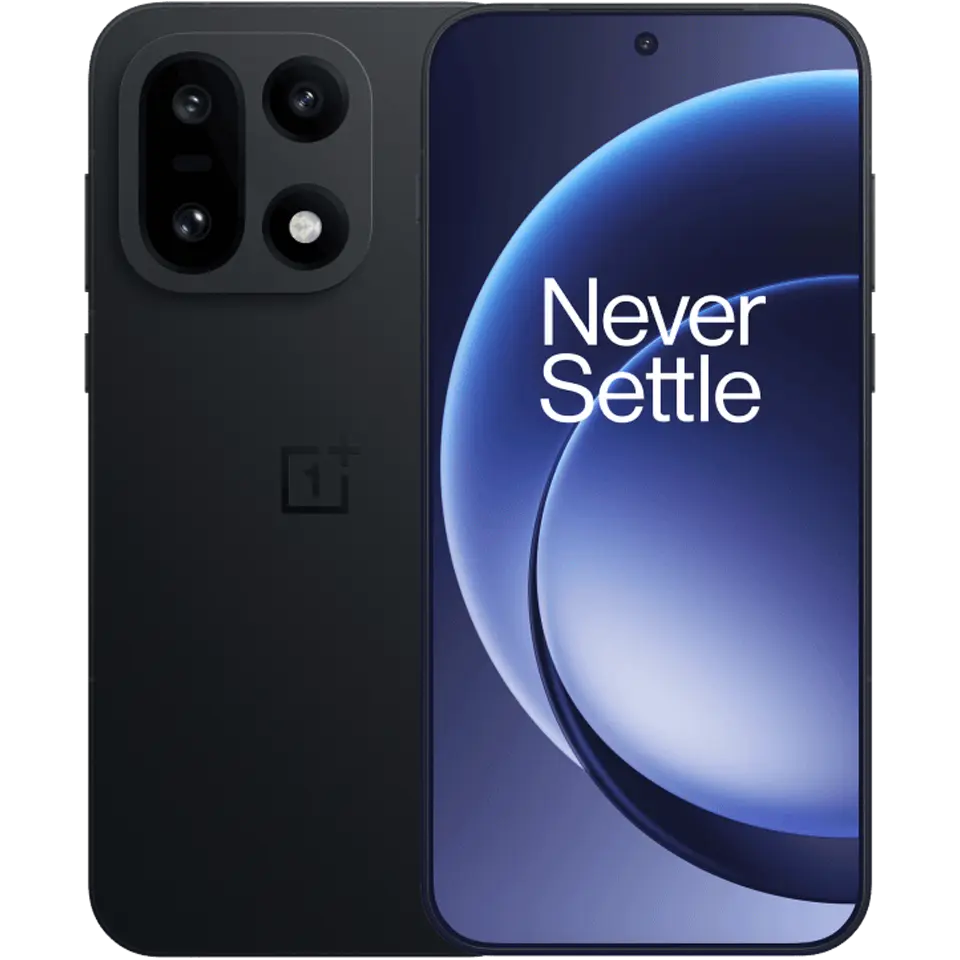
OnePlus
17T Pro
15
Ranked #12 of 60
Ranked #8 of 60
Overall
Overall
The Xiaomi 17T Pro and OnePlus 15 land at essentially the same price. Both are phones built around large batteries, fast charging, and big AMOLED screens. They're competing for someone who wants flagship-tier hardware without paying flagship-peak prices. Xiaomi pairs its phone with a long 5x telephoto and a massive battery; OnePlus counters with a faster processor, a higher-refresh display, and better wired charging speed.
The OnePlus 15 is the stronger all-around phone. It pulls ahead on battery life, performance, and microphone quality. The Xiaomi 17T Pro has the better camera system overall, with more accurate color, stronger sharpness from its main lens in mixed lighting, and a longer telephoto reach. Its display gets dramatically brighter for HDR content. Charging is close to a wash, with each phone holding a different advantage depending on whether you're plugged in or on a wireless pad.
Design
| Xiaomi 17T Pro | OnePlus 15 | |
|---|---|---|
| Specifications | ||
| Dimensions | 162.2 x 77.5 x 8.25 mm | 161.4 x 76.7 x 8.1 mm |
| Weight | 219g | 211g |
| IP Rating | IP68 | IP68/IP69K |
| Frame | Aluminum | Aluminum |
| Front | Gorilla Glass 7i | Gorilla Glass Victus 2 |
| Back | Fiberglass | Gorilla Glass 7i / Crystal Shield Glass / Glass fiber |
| Screen-to-body ratio | 91.1% | 90.8% |
The two phones are close in size. The Xiaomi 17T Pro is slightly larger at 162.2 x 77.5 x 8.25mm and 219g; the OnePlus 15 is 161.4 x 76.7 x 8.1mm and 211g. Eight grams isn't much, but the Xiaomi is the heavier of the two once you account for its slightly bigger footprint.
Both use aluminum frames. The Xiaomi covers its front with Gorilla Glass 7i and its back with fiberglass, which is lighter and more resistant to cracking than glass but doesn't have the same premium tactile quality. The OnePlus 15 uses Gorilla Glass Victus 2 up front and offers multiple back finishes including Gorilla Glass 7i, Crystal Shield Glass, and glass fiber depending on the variant. Both phones carry IP68 ratings, meaning they're rated for submersion in fresh water. The OnePlus adds an IP69K rating, which covers resistance to high-pressure, high-temperature water jets. A practical edge if you're caught in heavy rain or rinsing the phone off, though not something most people will test deliberately.
Screen-to-body ratios are nearly identical: 91.1% for the Xiaomi, 90.8% for the OnePlus. Aspect ratios are similarly close at 19.5:9 and 19.6:9 respectively. In practice, these two phones occupy the same physical space in your hand and pocket.
Bandicoot Lab doesn't formally test design or durability, so these observations are drawn from specs alone.
Display
| Xiaomi 17T Pro | OnePlus 15 | |
|---|---|---|
609/ 881 | 574/ 881 | |
Both phones use AMOLED panels at nearly identical resolutions. The Xiaomi 17T Pro runs a 6.83-inch display at 2772 x 1280 (447 pixels per inch); the OnePlus 15 is a touch smaller at 6.78 inches, 2772 x 1272 (450 PPI). Pixel density is effectively the same. The refresh rate gap is more meaningful: the Xiaomi tops out at 120Hz with a floor of 30Hz, while the OnePlus reaches 165Hz and can drop as low as 1Hz thanks to its LTPO backplane. That 1Hz floor helps with always-on display efficiency, and the higher ceiling gives a marginal smoothness edge in supported content.
Brightness is where these panels diverge sharply. The Xiaomi 17T Pro peaks at 3,653 nits in HDR with auto brightness, nearly double the OnePlus 15's 1,958 nits. For manual brightness control, the Xiaomi reaches 625 nits versus the OnePlus's 798 nits. The OnePlus gives you more control over brightness in manual mode, but the Xiaomi gets much brighter when the phone is driving the display automatically for HDR content. The Xiaomi's HDR brightness stability across window sizes is 56.3%, meaning it drops significantly as the bright area of the screen gets larger. The OnePlus holds 91% across window sizes, a much more consistent result. Over the sustained 30-minute brightness test, both panels hold up well: the Xiaomi at 98.7% and the OnePlus at 99.5%.
Color accuracy favors the Xiaomi. In its best display mode, colors stay closer to reference with less visible drift across the gamut. The OnePlus shows more noticeable deviation from accurate color. Neither phone covers the full DCI-P3 gamut in their most accurate modes, though both reach full sRGB coverage. The Xiaomi hits 74.3% of P3; the OnePlus, 75.2%. For tone mapping behavior with HDR content, both displays push highlights slightly brighter than mastered. The OnePlus boosts more aggressively and begins clipping highlight detail earlier in the brightness curve. The Xiaomi clips later and boosts less, preserving highlight detail further into bright HDR scenes.
Touch latency is 16.3ms on the Xiaomi and 15.5ms on the OnePlus. That's less than a millisecond of meaningful difference. You won't feel it.
Performance
| Xiaomi 17T Pro | OnePlus 15 | |
|---|---|---|
753/ 1012 | 833/ 1012 | |
The Xiaomi 17T Pro runs a MediaTek Dimensity 9500 with 12GB of RAM. The OnePlus 15 uses a Qualcomm Snapdragon 8 Elite Gen 5 with 16GB in its tested configuration (12GB is also available).
CPU performance favors the OnePlus. It scores 3,606 single-core and 11,442 multi-core in GeekBench 6, compared to the Xiaomi's 3,331 and 10,150. The single-core gap is modest. The multi-core gap is about 13%, which you'd notice in sustained multitasking and export-heavy workloads like video rendering.
GPU performance is close. Peak scores in Wild Life Extreme are 7,160 for the OnePlus and 7,062 for the Xiaomi. Stability under sustained load is nearly identical: 63.7% for the OnePlus and 62% for the Xiaomi. Solar Bay tells a similar story, with peak scores within a few percent of each other. In practice, gaming performance is a tie.
Camera
| Xiaomi 17T Pro | OnePlus 15 | |
|---|---|---|
515/ 587 | 426/ 587 | |
The Xiaomi 17T Pro has the stronger camera system overall. That gap shows up most clearly in color accuracy and main camera sharpness under varied lighting. The OnePlus has its own strengths, particularly with its ultrawide sensor and front camera sharpness in bright light, but it struggles with color consistency across its lenses.
Sharpness tells different stories depending on the lens. The Xiaomi's main camera holds detail well from bright through dark conditions. The OnePlus main camera is very sharp in bright light but drops off more in mid and low light. At the telephoto end, the Xiaomi's 5x lens resolves well in bright conditions and holds reasonable detail in medium light, though it softens considerably in the dark. At extreme digital zoom, neither phone produces particularly detailed results, which is expected at 100x and 120x. The OnePlus resolves slightly more detail at the deep zoom end.
Main
| Xiaomi 17T Pro (Main) | OnePlus 15 (Main) | |
|---|---|---|
551/ 722 | 441/ 722 | |
The Xiaomi 17T Pro shoots with a 50-megapixel f/1.6 main sensor at 23mm, using a 1/1.31-inch sensor. The OnePlus 15's main camera is 50 megapixels at f/1.8, 24mm, with a smaller 1/1.56-inch sensor. The Xiaomi's larger sensor and wider aperture give it a light-gathering advantage.
Sharpness in the Xiaomi's main camera is consistent across lighting. It resolves high detail in bright light and barely drops in mid light, with only a modest decrease in dark conditions. The OnePlus main camera is sharp in bright light but loses more ground as lighting dims. The gap is most pronounced in mid-light shooting, where the Xiaomi holds nearly all its bright-light detail and the OnePlus drops by close to half. For the zoom range below each phone's telephoto, the Xiaomi covers 1x through 5x digitally before the tele takes over, while the OnePlus covers 1x through 3.5x. Both crop cleanly at moderate zoom levels, though the Xiaomi's larger sensor gives it more pixels to work with when cropping.
Color on the Xiaomi main camera is slightly vivid but accurate. Hues stay close to reference across all three test lighting conditions. Skin tones are closest to accurate in bright light, with mild drift in dimmer conditions. The OnePlus main camera renders colors neutrally in bright light but desaturates in lower light. Hue errors are larger across the board, and skin tones drift substantially even in well-lit scenes. In low light, the OnePlus develops a strong warm-magenta push that affects skin tones and overall scene color.
Both cameras clip highlights. The Xiaomi retains slightly more usable range overall. Shadow detail is similar, with neither phone preserving much depth in the darkest regions of high-contrast scenes.
Ultrawide
| Xiaomi 17T Pro (Ultrawide) | OnePlus 15 (Ultrawide) | |
|---|---|---|
533/ 722 | 441/ 722 | |
The Xiaomi 17T Pro's ultrawide is a 12-megapixel f/2.2 sensor at 15mm with a small 1/3.06-inch sensor. The OnePlus 15 uses a much larger 50-megapixel f/2.0 sensor at 16mm on a 1/2.88-inch sensor.
Sharpness is very close between the two ultrawides across all lighting conditions. The OnePlus is marginally more consistent from bright to dark, but the difference is small enough that you'd be hard-pressed to see it in real photos. Both ultrawides are noticeably softer than their respective main cameras, which is typical.
Color on the Xiaomi's ultrawide is slightly vivid and reasonably accurate in mid and dark light, with more hue error in bright conditions. Skin tones are noticeably off in bright light. The OnePlus ultrawide shows the same warm-yellow bias as its main camera, intensifying as light dims. Hue accuracy degrades sharply in low light, and skin tones carry visible errors across all conditions. Both cameras clip highlights. The OnePlus ultrawide holds slightly more usable range, but both show tonal inconsistencies in difficult scenes.
Telephoto
| Xiaomi 17T Pro (Telephoto) | OnePlus 15 (Telephoto) | |
|---|---|---|
522/ 722 | 446/ 722 | |
The Xiaomi 17T Pro carries a 5x telephoto at 115mm, 50 megapixels, f/3, on a 1/2.76-inch sensor. The OnePlus 15 has a shorter 3.5x telephoto at 80mm, also 50 megapixels and 1/2.76-inch, at f/2.8. The different native focal lengths mean these lenses serve different purposes: the Xiaomi's 5x reach is better for distant subjects, while the OnePlus's 3.5x is more of a portrait-length lens.
The Xiaomi's telephoto is sharp in bright light and holds well in mid light, with a pronounced drop in dark conditions. Color accuracy from this lens is a strength: hues are close to reference in bright and mid light, and skin tones are the most accurate of any lens on either phone in those conditions. The telephoto does develop a warm-yellow push in low light, likely a white balance issue as the warmer test illuminant isn't fully corrected. Saturation is restrained and natural across all conditions.
The OnePlus telephoto shows large skin tone errors across all lighting. Hue accuracy is moderate in bright light but degrades steadily. The same warm-yellow processing bias that affects its other lenses is visible here too, with a warm-to-magenta shift building in lower light. Saturation runs high in bright light, with vivid color that may look appealing on screen but doesn't hold to reference.
Both telephoto lenses clip highlights. The OnePlus retains slightly more dynamic range. Beyond their native focal lengths, both phones rely on digital crop. The Xiaomi reaches 120x maximum; the OnePlus reaches 100x.
Front
| Xiaomi 17T Pro (Front) | OnePlus 15 (Front) | |
|---|---|---|
542/ 722 | 421/ 722 | |
The Xiaomi 17T Pro's front camera is 32 megapixels at f/2.2, 21mm, on a 1/3.44-inch sensor. The OnePlus 15 matches the resolution at 32 megapixels, f/2.4, 21mm, but with a larger 1/2.74-inch sensor.
The OnePlus front camera is sharper in bright light. Both cameras soften in dimmer conditions, with the Xiaomi holding a slight edge in mid-light sharpness. In dark conditions, the Xiaomi retains more detail.
Color is where the Xiaomi's front camera excels. Skin tones are close to reference in bright light, with modest drift in mid and dark conditions. Saturation runs slightly undersaturated but natural. The OnePlus front camera shows a warm-yellow cast in bright light, with skin tones pushed noticeably from reference. In mid-light, skin accuracy improves. In dark conditions, both cameras struggle, though the OnePlus develops a strong warm shift.
The Xiaomi front camera has more usable dynamic range than the OnePlus, which clips and shows more tonal inversions in demanding scenes. Video stabilization from both front cameras is similar.
Battery
| Xiaomi 17T Pro | OnePlus 15 | |
|---|---|---|
695/ 836 | 780/ 836 | |
The OnePlus 15 has a 7,300mAh battery; the Xiaomi 17T Pro packs 7,000mAh. Both are large cells, and both last a long time.
Video playback is where the OnePlus separates itself. It runs for 46.11 hours of continuous video before dying. The Xiaomi lasts 30.63 hours. That's a significant gap. The OnePlus could play video nonstop for nearly two full days; the Xiaomi gets you through about a day and a quarter.
Web browsing drain is close: the OnePlus loses 16% over five hours, the Xiaomi 18%. Both are efficient enough that all-day web browsing won't stress the battery. Gaming drain is identical at 23% during the 20-loop Wild Life Extreme stress test. Both phones handle sustained gaming well. Standby is where the Xiaomi wins back some ground: it loses just 2% overnight across eight hours, while the OnePlus drops 4%. If your phone sits idle a lot, the Xiaomi sips less in the background.
Charging
| Xiaomi 17T Pro | OnePlus 15 | |
|---|---|---|
718/ 837 | 700/ 837 | |
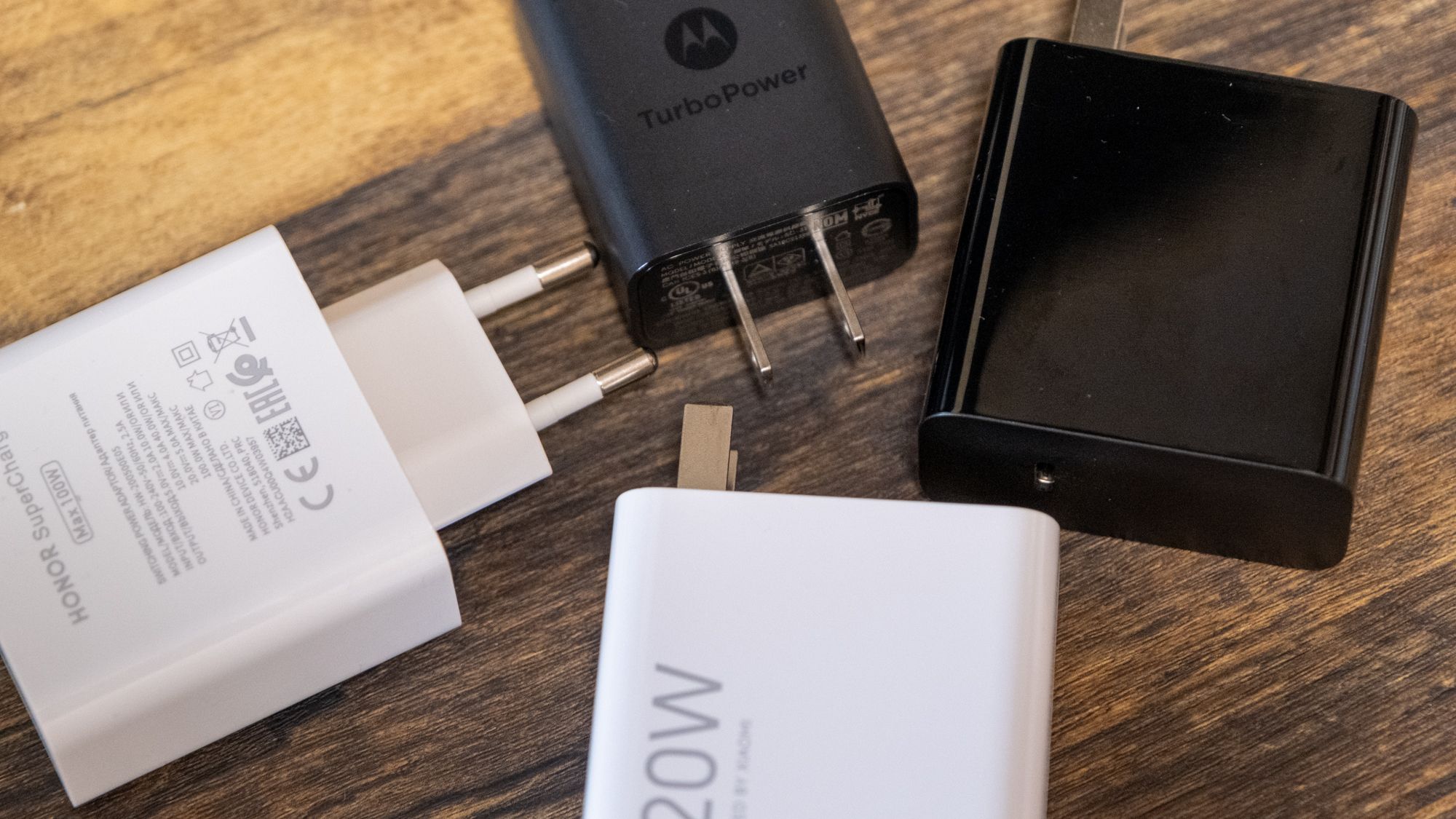
The OnePlus 15 supports 120W wired charging; the Xiaomi 17T Pro tops out at 100W. Both offer 50W wireless.
Wired charging favors the OnePlus. At ten minutes, it reaches 37% compared to the Xiaomi's 33%. At thirty minutes, the gap widens: 88% for the OnePlus versus 79% for the Xiaomi. That nine-point difference at the half-hour mark is meaningful. A quick top-up before heading out gets you noticeably more on the OnePlus.
Wireless charging flips the advantage. The Xiaomi reaches 19% in ten minutes and 48% at 30, while the OnePlus manages just 10% and 28% in the same intervals. Both phones are rated at 50W wireless, but the Xiaomi delivers far more charge wirelessly in practice. If you rely on a wireless pad at your desk or nightstand, that's a real difference.
Speaker
| Xiaomi 17T Pro | OnePlus 15 | |
|---|---|---|
636/ 897 | 669/ 897 | |
The Xiaomi 17T Pro is slightly louder, reaching 76.3 dBA versus the OnePlus 15's 75 dBA. A small gap in practice.
Distortion is close, with the OnePlus at 7.87% total harmonic distortion and the Xiaomi at 8.16%. Both are acceptable. The OnePlus has a more balanced frequency response across the mid-range, with less variation from 200Hz to 10kHz. It delivers clearer highs. The Xiaomi has slightly more bass presence but a more uneven overall response. Neither phone extends particularly deep in the low end; the OnePlus's bass roll-off starts higher, while the Xiaomi reaches a bit lower. For casual listening and video calls, both are fine. The OnePlus sounds a touch more refined; the Xiaomi is a touch louder.
Microphone
| Xiaomi 17T Pro | OnePlus 15 | |
|---|---|---|
390/ 1220 | 696/ 1220 |
The OnePlus 15's microphone produces smooth, even frequency response. The Xiaomi 17T Pro's microphone capture is more uneven across the frequency range. For video recording and voice calls, the OnePlus will produce cleaner, more natural-sounding audio. The microphone score reflects this.
Other
| Xiaomi 17T Pro | OnePlus 15 | |
|---|---|---|
| Biometrics | 461/ 1181 | 514/ 1181 |
| Data Transfer | 108/ 943 | 622/ 943 |
| Specifications | ||
| Biometric type | Fingerprint | Fingerprint |
| Ports | USB-C 2.0 | USB-C 3.2 |
| Storage | 256GB, 512GB, 1TB | 256GB, 512GB, 1TB |
Both phones have fingerprint sensors but lack hardware-based face unlock. The OnePlus 15 uses an ultrasonic fingerprint reader and unlocks in an average of 204ms. The Xiaomi 17T Pro uses an optical sensor at 228ms. Both are fast enough that you won't feel like you're waiting, though the OnePlus is slightly quicker.
Data transfer is a clear OnePlus advantage. It uses USB-C 3.2, achieving read speeds of 298 MB/s and write speeds of 230 MB/s. The Xiaomi is limited to USB-C 2.0, with reads of 38 MB/s and writes of 36 MB/s. If you transfer large files, photos, or video to a computer, the OnePlus is roughly eight times faster. Both phones offer 256GB, 512GB, and 1TB storage options.
Conclusion
The OnePlus 15 is the better all-around phone. It lasts significantly longer on a charge, performs better in CPU and AI workloads, has a much better microphone, charges faster over a wire, and offers dramatically faster data transfer. Its overall score of 662.3 reflects these advantages across multiple categories. At $899.99, it's a dollar more than the Xiaomi and delivers more in the areas that affect daily use most.
The Xiaomi 17T Pro makes its case with cameras. It has better color accuracy across every lens, stronger main camera sharpness in mixed lighting, and a 5x telephoto that's genuinely useful for distant subjects. Its display gets nearly twice as bright for HDR content, wireless charging is substantially faster, and standby battery drain is half of what the OnePlus uses. If you shoot a lot of photos, care about display brightness, or rely on wireless charging, the Xiaomi offers real advantages at this price.
For most buyers, the OnePlus 15 is the safer pick. Its weaknesses are concentrated in the camera system, where color accuracy and skin tones trail the Xiaomi's. If photography is a secondary concern and you value battery life, speed, and connectivity, the OnePlus is the phone to get.
FAQ
Does the Xiaomi 17T Pro or OnePlus 15 take better photos?
The Xiaomi 17T Pro has the stronger camera system overall. Its main camera holds sharpness better as light drops, color accuracy is closer to reference across all three rear lenses, and skin tones are more natural — particularly on the telephoto, which is the most accurate lens on either phone for portraits. The OnePlus 15 struggles with a consistent warm-yellow color bias across its lenses and shows large skin tone errors even in bright light. The OnePlus front camera is sharper in bright light, and its ultrawide is marginally more consistent, but those are narrow advantages against the Xiaomi's broader lead.
Which phone lasts longer on a battery charge — the 17T Pro or the OnePlus 15?
The OnePlus 15 lasts substantially longer. It runs 46.11 hours of continuous video playback versus 30.63 hours on the Xiaomi 17T Pro — a gap of over 15 hours. Web browsing and gaming drain are close between the two, so the OnePlus's advantage is most pronounced during media consumption. The Xiaomi does lose less battery overnight in standby, dropping 2% versus the OnePlus's 4%, which matters if your phone sits idle for long stretches.
Is the OnePlus 15 noticeably faster than the Xiaomi 17T Pro for everyday use?
For most day-to-day tasks, the difference is subtle. Gaming performance is effectively identical, and the single-core CPU gap is modest. The OnePlus pulls clearly ahead in web browsing and JavaScript-heavy apps, where it scores roughly double the Xiaomi in Speedometer testing, so complex web pages and apps feel snappier. The gap is largest in on-device AI workloads, where the Snapdragon 8 Elite Gen 5's neural processing is in a different class than the Dimensity 9500.
Should I pick the Xiaomi 17T Pro or OnePlus 15 if I use a wireless charger at my desk?
The Xiaomi 17T Pro charges much faster wirelessly despite both phones being rated at 50W. In practice, the Xiaomi reaches 48% at 30 minutes on a wireless pad; the OnePlus 15 reaches only 28% in the same window. For wired charging the advantage flips, with the OnePlus hitting 88% in 30 minutes versus the Xiaomi's 79%. If a wireless pad is your main charging method, the Xiaomi is the better choice.
How much brighter does the Xiaomi 17T Pro's display get compared to the OnePlus 15?
For HDR content with auto brightness, the Xiaomi 17T Pro peaks at 3,653 nits versus 1,958 nits on the OnePlus 15 — nearly double. The tradeoff is consistency: the Xiaomi's brightness drops to 56.3% of its peak as the bright area of the screen grows, while the OnePlus holds 91% across window sizes. The OnePlus also reaches higher brightness in manual mode at 798 nits versus the Xiaomi's 625 nits. The Xiaomi delivers a more dramatic HDR highlight pop; the OnePlus delivers a more stable, controllable image.
Is it worth upgrading from the Xiaomi 17T Pro to the OnePlus 15?
The most meaningful gains in the OnePlus 15 are battery life, microphone quality, data transfer speed, and AI performance — areas that matter daily for many users. If you already own the 17T Pro and photograph frequently, the Xiaomi's camera advantages in color accuracy and telephoto reach are real enough to give pause. The $1 price difference is negligible, so the decision comes down to whether you'd trade a better camera for longer battery life and faster performance.
Related
Xiaomi
17T Pro
OnePlus
15
Xiaomi
17 Ultra
Xiaomi
17

OnePlus
15R
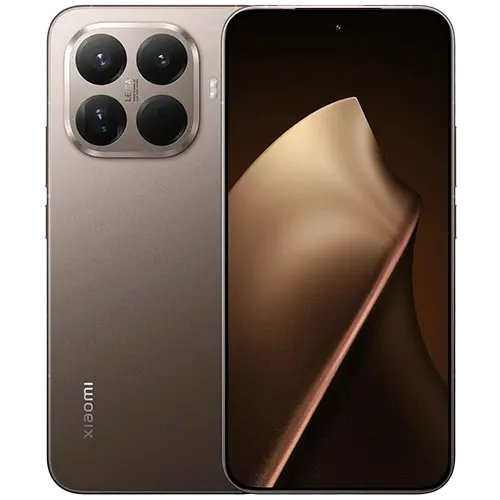
Xiaomi
15T Pro
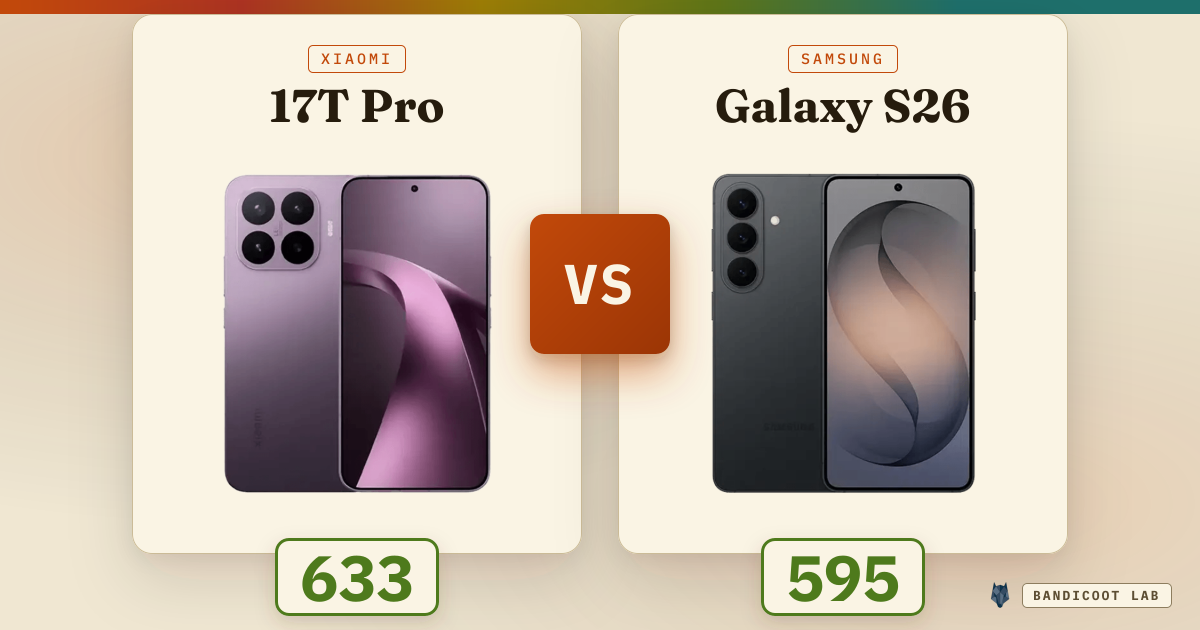
Xiaomi 17T Pro vs Samsung Galaxy S26
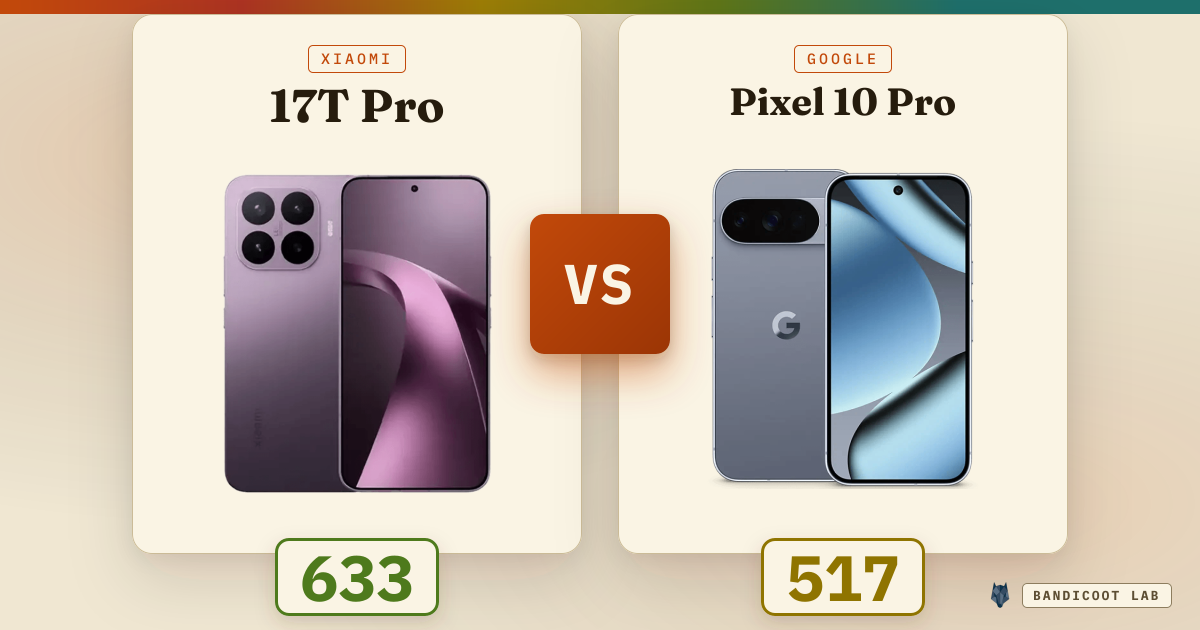
Xiaomi 17T Pro vs Google Pixel 10 Pro
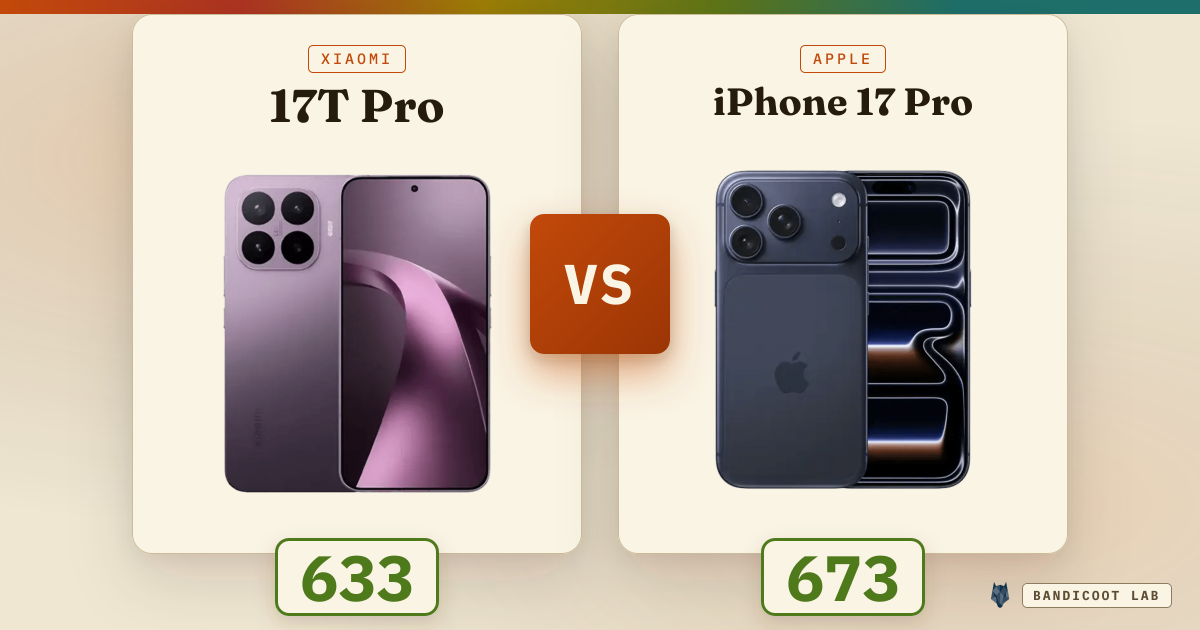
Xiaomi 17T Pro vs Apple iPhone 17 Pro
How we test charging
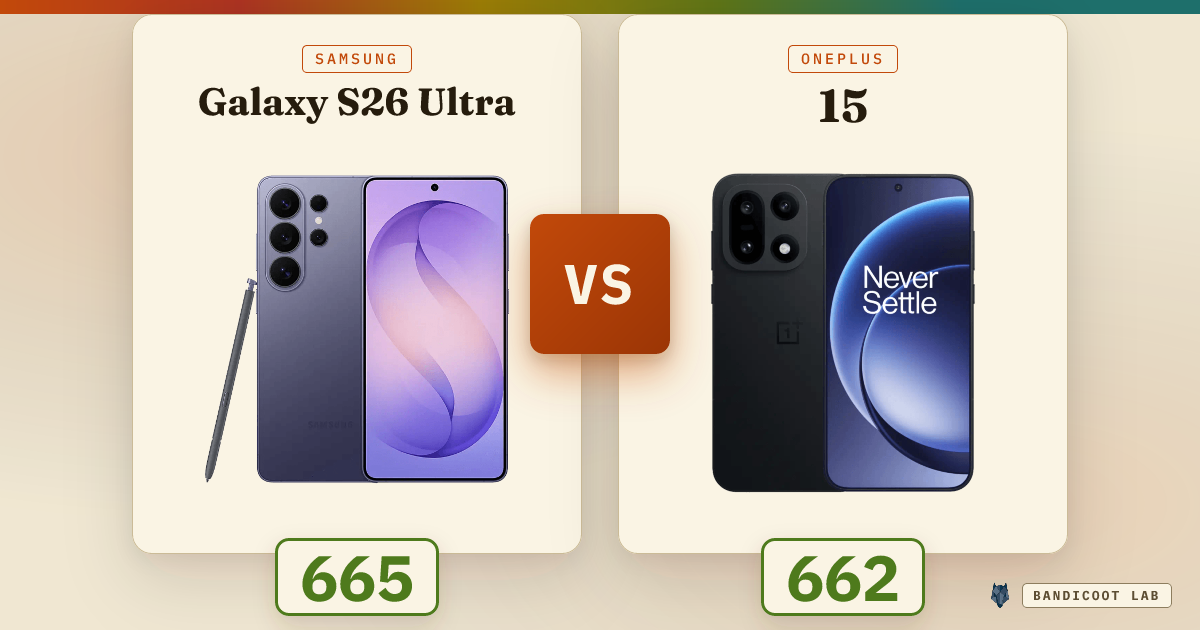
Samsung Galaxy S26 Ultra vs OnePlus 15
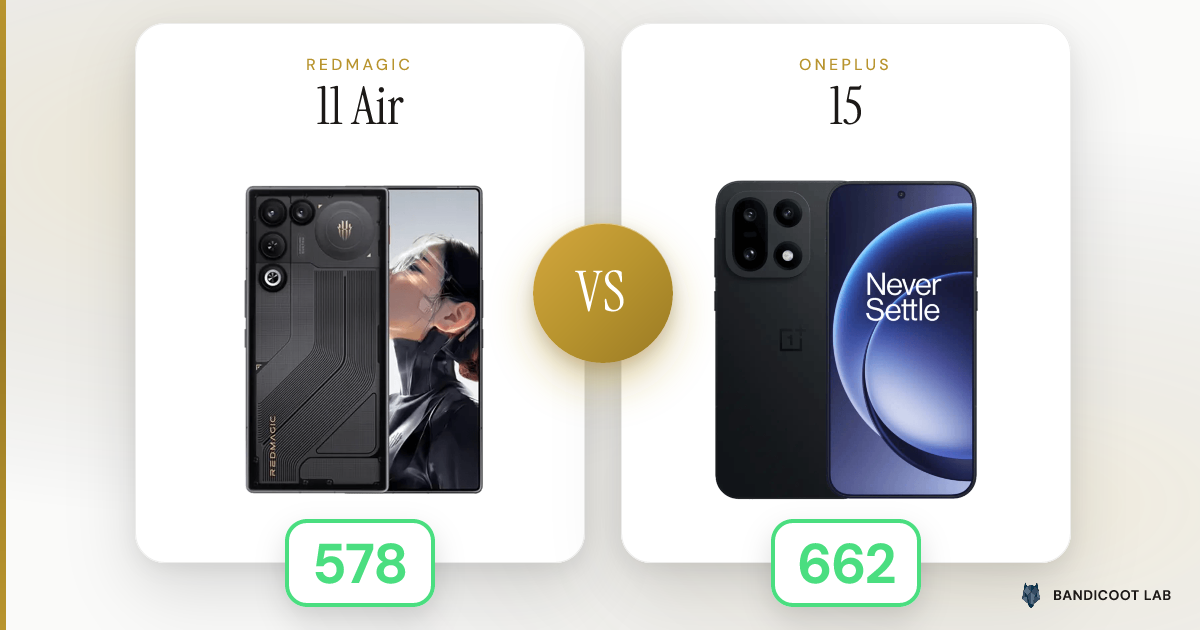
RedMagic 11 Air vs OnePlus 15