Google Pixel 11 Pro vs Google Pixel 10 Pro
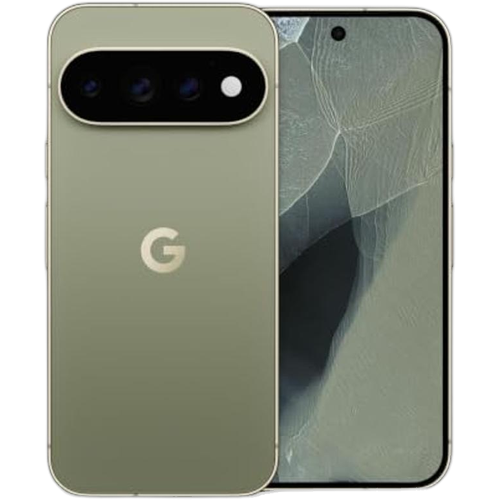
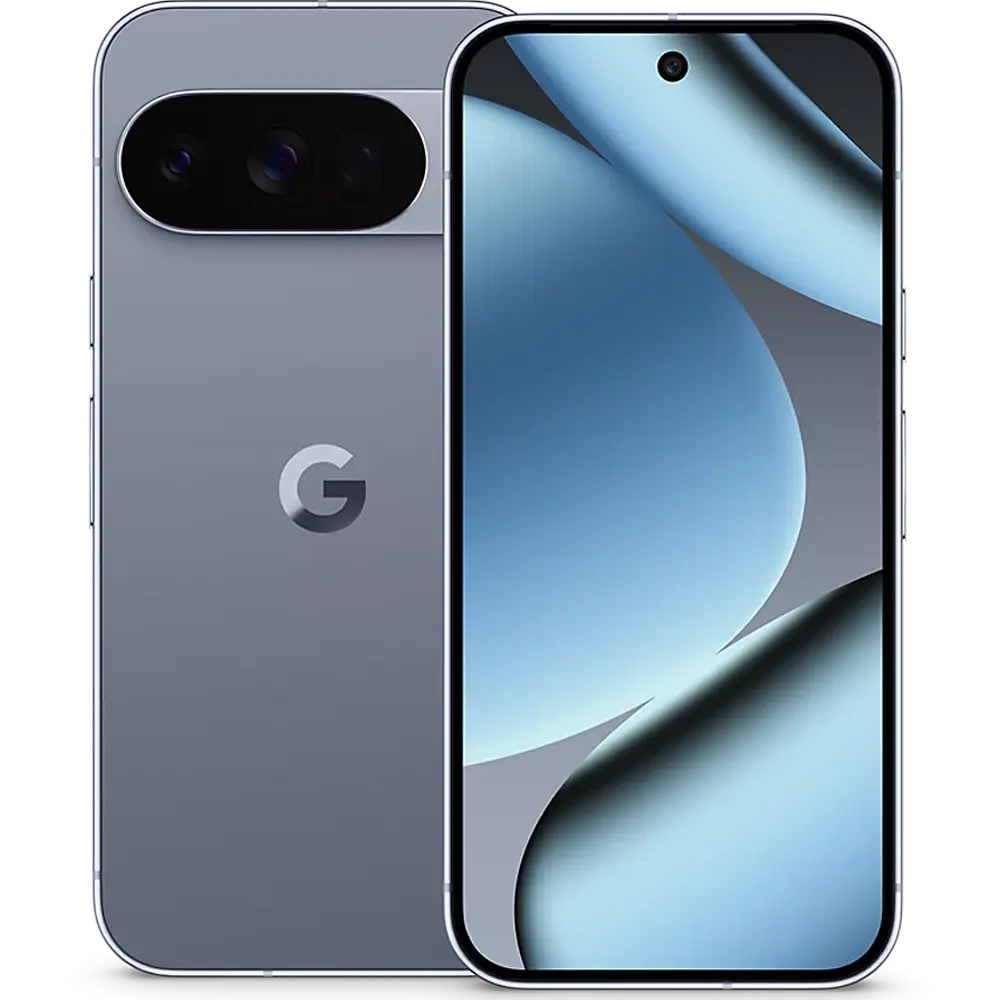
Pixel 11 Pro
Pixel 10 Pro
Ranked #31 of 61
Ranked #41 of 61
Overall
Overall

The Pixel 11 Pro replaces the Pixel 10 Pro at the top of Google's non-folding lineup, same compact-flagship formula, same audience: people who want Google's camera processing and software in a phone that doesn't require two hands. The 11 Pro costs $1099, a $100 bump over the 10 Pro's $999, and since the older phone is still widely available, the real question is whether a year of iteration buys anything you'd notice.
The 11 Pro earns its premium in the display, battery life, and the camera system, where better color accuracy and a stronger telephoto outweigh a step back in raw detail. The 10 Pro counters with a better speaker, sharper photos across most of its lenses, more RAM in the base configuration, and stronger multi-core performance. Neither phone is a performance flagship, and the two are closer than the model numbers suggest in several areas.
Design
| Google Pixel 11 Pro | Google Pixel 10 Pro | |
|---|---|---|
| Specifications | ||
| Dimensions | 152.7 x 71.9 x 8.4 mm | 152.8 x 72 x 8.5 mm |
| Weight | 204g | 207g |
| IP Rating | IP68 | IP68 |
| Frame | Aluminum | Aluminum |
| Front | Gorilla Glass Victus 2 | Gorilla Glass Victus 2 |
| Back | Gorilla Glass Victus 2 | Glass |
| Screen-to-body ratio | 87.0% | 87.1% |
On paper, these are nearly the same phone. The 11 Pro measures 152.7 x 71.9 x 8.4mm at 204g; the 10 Pro is 152.8 x 72 x 8.5mm at 207g. You wouldn't tell them apart blind.
Both use an aluminum frame with Gorilla Glass Victus 2 on the front. The 11 Pro also specifies Victus 2 on the back, while the 10 Pro lists unbranded glass, a minor edge in scratch and drop resistance for the newer phone. Both carry IP68 ratings, meaning submersion to the rated depth, and both run a 20:9 aspect ratio with screen-to-body ratios of 87% and 87.1%. Bezels are equally thin on both; there's no meaningful difference here.
Bandicoot Lab doesn't formally test design or durability, so this section describes what's on paper.
Display
| Google Pixel 11 Pro | Google Pixel 10 Pro | |
|---|---|---|
881/ 881 | 723/ 881 | |
Both phones use a 6.3" LTPO OLED at 1280 x 2856 (495 pixels per inch) with a 1–120Hz adaptive refresh rate. The panel hardware looks identical on a spec sheet, but the tuning differs, and the 11 Pro's display is the single biggest upgrade in this matchup.
Brightness first. In manual mode the 10 Pro edges ahead at 1,450 nits versus 1,398. With HDR content in auto brightness the 11 Pro takes it back, peaking at 3,594 nits against 3,428. Both hold up well over time; the 11 Pro sustains 98.2% of its HDR output through a 30-minute test and the 10 Pro 96.3%. Across different HDR window sizes the two behave similarly, holding 67.7% and 65.3% of peak respectively. In practice both are bright enough outdoors and both keep HDR punchy in long viewing sessions.
Color accuracy is where they separate. The 11 Pro's most accurate mode is essentially reference-grade; colors land where they should, and even the worst-case error wouldn't be visible outside a side-by-side. The 10 Pro is still good, but colors drift slightly from reference, with some individual tones noticeably off if you know what to look for. Tone mapping differs too: the 10 Pro tracks the HDR reference curve closely, while the 11 Pro pushes highlights visibly brighter than mastered. Both clip only at the very top of the signal range, so neither crushes highlight detail. Whether you prefer faithful or lifted HDR is taste, but the 11 Pro's approach makes HDR content appear brighter than the creator intended.
Touch latency is 13ms on the 11 Pro and 11.6ms on the 10 Pro. That gap is imperceptible.
Performance
| Google Pixel 11 Pro | Google Pixel 10 Pro | |
|---|---|---|
429/ 1012 | 399/ 1012 | |
The 11 Pro runs the Google Tensor G6 with 12GB of RAM (16GB optional); the 10 Pro runs the Tensor G5 with 16GB standard. The benchmark results are stranger than a simple generational step.
Single-core, the G6 wins: 2,551 in GeekBench 6 against the G5's 2,330. Multi-core, it loses, and not by a little: 4,846 versus 6,364. The newer chip trades multi-threaded throughput for faster individual cores. Day to day, single-core speed drives most of what you feel, such as app launches and UI response, so the 11 Pro will generally feel quicker. The browser results back that up: the 11 Pro scores 25 in Speedometer against the 10 Pro's 15.2, a gap you'll notice on heavy web pages. Sustained multi-threaded work, like video export, favors the older phone.
Graphics are a wash. Peak Wild Life Extreme scores are 3,278 and 3,286, with stability under sustained load at 68.3% and 67.2%. Both throttle about a third of their GPU performance when hot, and neither is a gaming phone. Against Snapdragon flagships, both Tensors are a tier behind.
Camera
| Google Pixel 11 Pro | Google Pixel 10 Pro | |
|---|---|---|
468/ 587 | 445/ 587 | |
Both phones carry the same lineup: a 50-megapixel main camera, a 48-megapixel ultrawide, a 48-megapixel 5x telephoto, and a 42-megapixel front camera. The split in results is clean. The 10 Pro produces sharper images from its main, ultrawide, and telephoto, while the 11 Pro produces more accurate color on every lens and much stronger dynamic range from the telephoto and front camera. Overall the 11 Pro's system scores slightly higher, mostly on the strength of its telephoto. Neither phone matches camera-focused rivals at the top of the market; both sit midpack overall, which is a step down from where Pixels have historically lived.
At extreme zoom the two are effectively tied. The 11 Pro offers 120x maximum digital zoom to the 10 Pro's 100x, but deep-zoom detail past 10x is equally soft on both. Those far reaches are for identifying a sign, not making a photo.
On color character: the 10 Pro shoots vivid everywhere, pushing saturation hard on every lens with a consistent warm, yellow-leaning cast. The 11 Pro pushes saturation on its main camera too but is more restrained on the other lenses, with a slightly cool bright-light rendering. Those are tuning choices. The accuracy problems are a separate matter, and they mostly belong to the 10 Pro.
Main
| Google Pixel 11 Pro (Main) | Google Pixel 10 Pro (Main) | |
|---|---|---|
467/ 722 | 517/ 722 | |
The 10 Pro's main camera is sharper than the 11 Pro's in every lighting condition, and the gap is large enough to see in cropped or zoomed images. Both hold detail reasonably well through the digital range below their 5x telephotos, and the 10 Pro's resolution advantage carries through, so a 2x or 3x crop looks cleaner from the older phone.
Color flips the story. The 10 Pro's skin tones drift noticeably from reference in every lighting condition, consistently pulled warm. The 11 Pro's skin tones are also off in bright light but settle close to accurate in dimmer scenes, and its hue accuracy holds steadier across lighting. The 11 Pro pulls warm under dim tungsten-style light, a white balance correction issue rather than a sensor limit, but the overall result is clearly more trustworthy color.
Dynamic range is a genuine trade-off. The 11 Pro's main camera captures a wider range from shadow to highlight, but its tone rendering is uneven through that range, so smooth gradients can band or render oddly. The 10 Pro clips highlights sooner, but what it captures renders cleanly. The 10 Pro also stabilizes main-camera video better; the 11 Pro's main lens is its shakiest.
Ultrawide
| Google Pixel 11 Pro (Ultrawide) | Google Pixel 10 Pro (Ultrawide) | |
|---|---|---|
397/ 722 | 479/ 722 | |
Same pattern. The 10 Pro's ultrawide is sharper in bright and moderate light, though the two converge in low light where the 10 Pro's advantage mostly evaporates. The 11 Pro's ultrawide is nearly as sharp as its own main camera; the 10 Pro's sits a bit below its main.
The 10 Pro's ultrawide has the worst low-light color in this matchup. Hue accuracy degrades badly as light warms and dims, with a strong warm, reddish cast that points to white balance correction failing. The 11 Pro's ultrawide degrades more gently. Dynamic range goes to the 10 Pro, which retains more usable depth in high-contrast scenes; the 11 Pro's ultrawide clips highlights readily and flattens contrasty scenes.
Telephoto
| Google Pixel 11 Pro (Telephoto) | Google Pixel 10 Pro (Telephoto) | |
|---|---|---|
629/ 722 | 471/ 722 | |
Both telephotos are 5x, 48 megapixels, f/2.8, though the 11 Pro uses a substantially larger sensor (1/1.95" versus 1/2.55"). This is the 11 Pro's best lens and the clearest camera win in the matchup.
Sharpness is close in good light, with the 10 Pro slightly ahead, but the 11 Pro holds its detail better in low light, where the larger sensor pays off. Past 5x, both soften progressively toward their digital limits, with neither holding a meaningful edge. The 11 Pro's telephoto color is its most accurate lens, with skin tones close to right in most lighting. The 10 Pro's telephoto skin tones are significantly off in bright and moderate light, and its hue accuracy falls apart in dim warm light. The 11 Pro's telephoto avoids clipping highlights and keeps depth in contrasty scenes, while the 10 Pro's clips readily. The 11 Pro's telephoto video is also much steadier handheld.
Front
| Google Pixel 11 Pro (Front) | Google Pixel 10 Pro (Front) | |
|---|---|---|
463/ 722 | 347/ 722 | |
The front cameras are identical on paper, 42 megapixels at f/2.2, and sharpness is effectively tied, with both holding good detail across lighting.
Color favors the 11 Pro. Both phones render skin tones poorly in bright light, but the 11 Pro improves as light dims and is close to accurate in low light. The 10 Pro is off everywhere, with a strong warm cast in good light and a pronounced shift toward red in dim light, a white balance failure under warm light compounded by sensor limits. The 11 Pro has a large dynamic range advantage; backlit selfies keep face and background detail on the newer phone and go flat on the older one. The 10 Pro produces steadier front-camera video.
Battery
| Google Pixel 11 Pro | Google Pixel 10 Pro | |
|---|---|---|
515/ 836 | 490/ 836 | |
Capacities are nearly identical, 4,850mAh in the 11 Pro and 4,870mAh in the 10 Pro, but the results aren't. The 11 Pro ran 26.3 hours in our video playback test against the 10 Pro's 21.8, and the gap widens at maximum brightness, 19.2 hours versus 13. That's the Tensor G6's efficiency showing up where it counts.
The drain tests tell the same story. Over five hours of web browsing the 11 Pro used 20% of its battery to the 10 Pro's 23%. Through 20 loops of the Wild Life Extreme stress test, the 11 Pro drained 20% against 25%. The 10 Pro loses 2% in eight hours of standby versus 4%, but idle drain matters less than active use.
In practice the 11 Pro is a comfortable two-day phone for moderate use and a safe full day for heavy use. The 10 Pro gets you through a full day without worry but will want a charger by the second morning. Neither is a battery champion, but the 11 Pro's improvement is real and you'll feel it.
Charging
| Google Pixel 11 Pro | Google Pixel 10 Pro | |
|---|---|---|
330/ 837 | 310/ 837 | |
Both phones charge at 30W wired, and the results are nearly interchangeable. The 11 Pro hit 21% in 10 minutes and 58% in 30; the 10 Pro hit 19% and 55%. Those are slow numbers for $1,000 phones. A quick top-up before heading out gets you a few hours of use, not half a day.
Wireless is where the spec sheets diverge and the results don't. The 11 Pro is rated for 25W wireless against the 10 Pro's 15W, both with magnetic alignment for Qi2-style chargers. In testing, both reached 34% in 30 minutes, and the 10 Pro was marginally ahead at the 10-minute mark. The wireless rating difference does not translate to faster charging. Treat the wireless upgrade as a non-factor.
Speaker
| Google Pixel 11 Pro | Google Pixel 10 Pro | |
|---|---|---|
699/ 897 | 774/ 897 | |
The 10 Pro has the better speaker system, and it's not especially close. Its speakers produce fuller bass and cleaner high-end, with a flatter, more even frequency response across the midrange where voices and music live. The 11 Pro's speakers lean thin, with weak low-end and a less consistent response.
The 11 Pro is slightly louder at 77.2 dBA maximum versus 75.6, and distortion is similar on both, 6.8% and 6.5% average THD. For podcasts, video, and music without headphones, the older phone sounds better.
Microphone
| Google Pixel 11 Pro | Google Pixel 10 Pro | |
|---|---|---|
659/ 1220 | 667/ 1220 |
The microphones are effectively identical, and both are about average. Voice recordings are clear and even on either phone, fine for calls and video, without the polish of the best-recording flagships. There's no reason to pick one over the other here.
Other
| Google Pixel 11 Pro | Google Pixel 10 Pro | |
|---|---|---|
| Biometrics | 501/ 1181 | 422/ 1181 |
| Data Transfer | 305/ 943 | 270/ 943 |
| Specifications | ||
| Biometric type | Fingerprint | Fingerprint |
| Ports | USB-C 3.2 | USB-C 3.2 |
| Storage | 256GB, 512GB, 1TB | 256GB, 512GB, 1TB |
Both phones use ultrasonic fingerprint sensors and neither has hardware-based face unlock, relying on camera-based face unlock instead, which is less secure. The 11 Pro's sensor reads in 210ms on average against the 10 Pro's 249ms. Both are quick; the 11 Pro is slightly quicker.
Both ship with USB-C 3.2 and the same storage options: 256GB, 512GB, and 1TB. Storage speeds are close, with the 11 Pro reading faster at 125 MB/s versus 105, and the 10 Pro writing marginally faster at 142 MB/s versus 138. File transfers will feel the same on either.
Conclusion
The 11 Pro is the stronger phone in most of the areas that matter daily. Its display is in a different class on color accuracy while matching the 10 Pro everywhere else, its battery lasts meaningfully longer under every kind of load, and its camera system trades some raw sharpness for more accurate color, a clearly better telephoto, and selfies that survive backlighting. It also feels quicker in general use thanks to faster single-core and much faster browser performance.
The 10 Pro's case rests on price and a few genuine wins. It's $100 cheaper, ships with 16GB of RAM standard, has the better speaker, delivers sharper photos from its main and ultrawide cameras, and outruns the newer chip in multi-threaded work. If you shoot mostly at 1x in good light, listen through the speakers, and charge nightly without thinking about it, the 10 Pro covers you for less money.
For most buyers the 11 Pro is the better pick at the $100 premium; display and battery are the two things you interact with every waking hour of phone use, and it wins both. Go for the 10 Pro if the price gap matters or if speaker quality and daylight photo detail rank above everything else on your list.
FAQ
Is it worth upgrading from the Pixel 10 Pro to the Pixel 11 Pro?
The biggest jumps are battery life and display color accuracy, and the 11 Pro also adds a stronger telephoto and more accurate color across its cameras. Design, charging speed, and everyday responsiveness are close enough that most people wouldn't notice a difference. The 11 Pro costs $1,099 against $999 for the 10 Pro, so the upgrade makes sense mainly if battery and color accuracy matter to you.
Which has the better camera, the Pixel 11 Pro or the Pixel 10 Pro?
The 11 Pro has more accurate color on every lens, a better 5x telephoto (it uses a larger 1/1.95" sensor), and selfies that hold up in backlit scenes. The 10 Pro takes sharper photos from its main and ultrawide cameras, which shows when you crop in. Choose the 11 Pro for telephoto, selfies, and trustworthy skin tones, and the 10 Pro if you mostly shoot at 1x in good light and want maximum detail.
Does the Pixel 11 Pro have better battery life than the Pixel 10 Pro?
Yes, by a clear margin despite near-identical capacities (4,850mAh vs 4,870mAh). The 11 Pro lasted 26.3 hours in video playback against 21.8 hours for the 10 Pro, and 19.2 hours versus 13 hours at maximum brightness. It also used less battery in web browsing and gaming stress tests. The 10 Pro uses less in standby, but that matters less than active use.
Does the Pixel 11 Pro charge faster than the Pixel 10 Pro?
Not in any way you'd notice. Both charge at 30W wired, and the 11 Pro reached 21% in 10 minutes and 58% in 30, against 19% and 55% for the 10 Pro. The 11 Pro's higher wireless rating (25W vs 15W) made no difference in testing, as both reached 34% in 30 minutes.
Is the Pixel 11 Pro or Pixel 10 Pro better for gaming and performance?
Graphics performance is effectively tied, with peak Wild Life Extreme scores of 3,278 and 3,286, and both throttle about a third of their GPU performance under sustained load. The 11 Pro has faster single-core speed and much better browser performance, so it feels snappier day to day. The 10 Pro is stronger in multi-core work such as video export (6,364 vs 4,846 in GeekBench multi-core). The 11 Pro drained less battery in the gaming stress test, using 20% against 25%.
Which sounds better, the Pixel 10 Pro or the Pixel 11 Pro speakers?
The 10 Pro has the better speakers, with fuller bass, cleaner highs, and a more even midrange for voices and music. The 11 Pro is slightly louder at 77.2 dBA against 75.6 dBA, but it sounds thinner and less consistent. For podcasts, video, and music without headphones, the older phone is the better listen.
Related
Pixel 11 Pro
Pixel 10 Pro
Pixel 11 Pro XL
Pixel 11
Pixel 11 Pro Fold
Pixel 10a
Google Pixel 11 Pro vs OnePlus 15
Google Pixel 11 Pro vs Honor Magic8 Pro
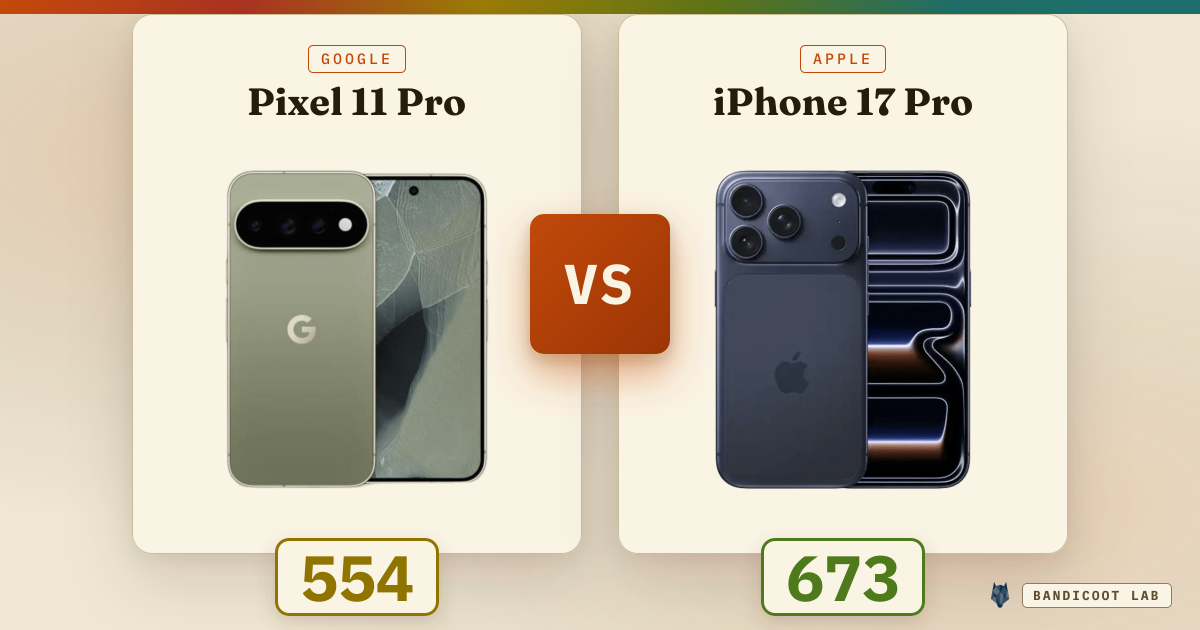
Google Pixel 11 Pro vs Apple iPhone 17 Pro
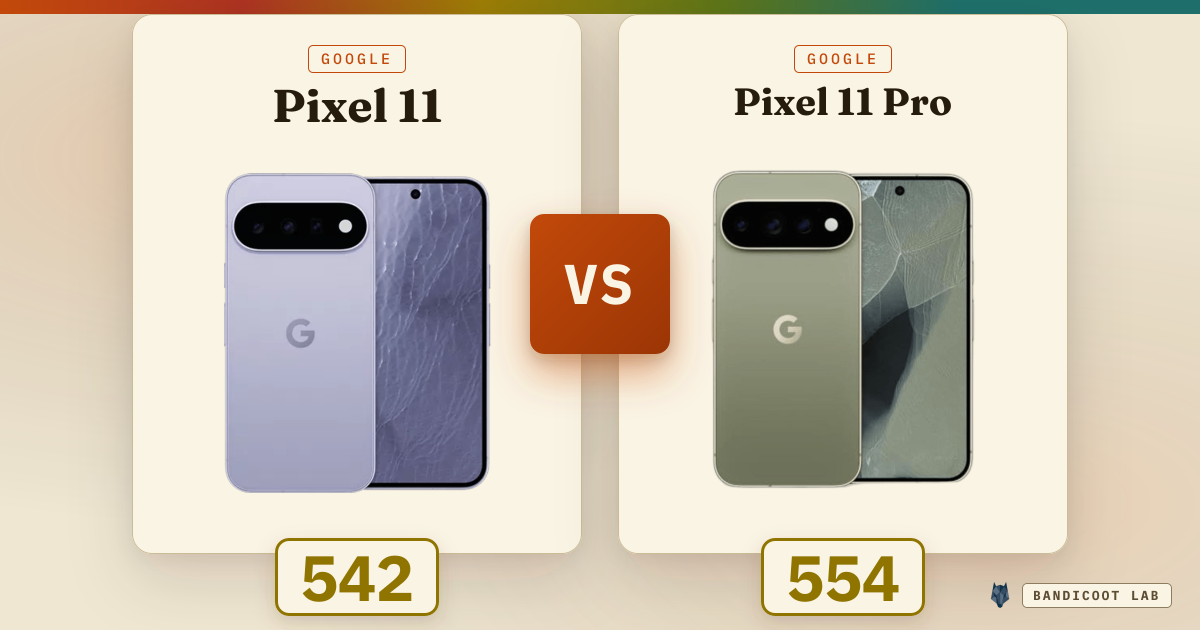
Google Pixel 11 vs Google Pixel 11 Pro
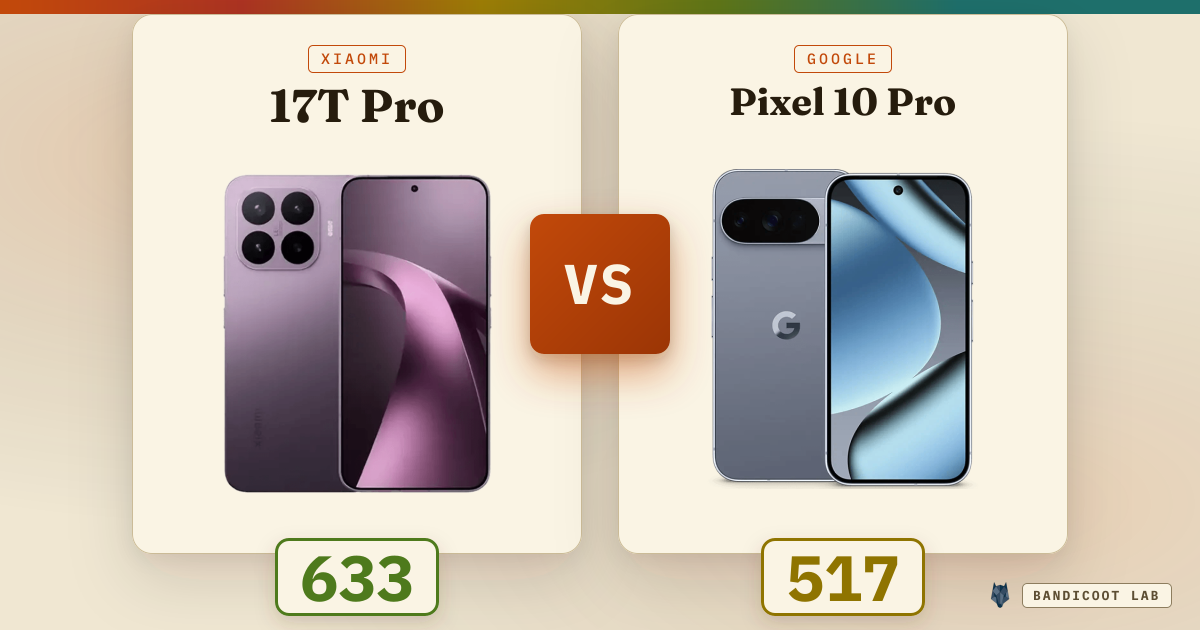
Xiaomi 17T Pro vs Google Pixel 10 Pro
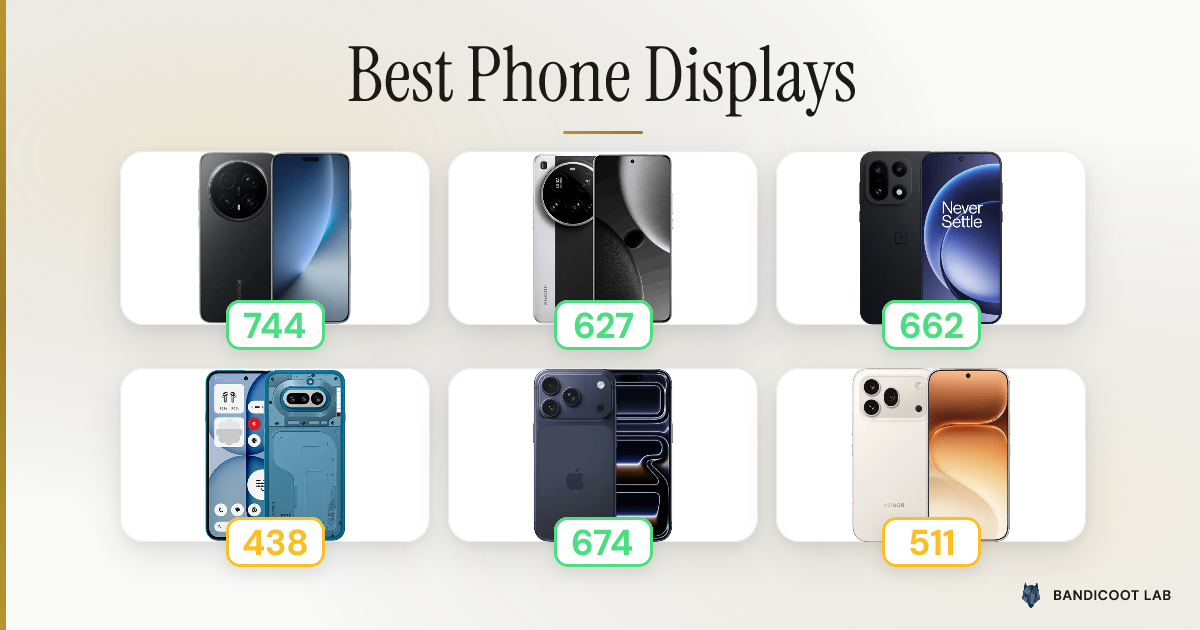
Best Phone Displays