Google Pixel 11 Pro XL vs Google Pixel 10 Pro XL
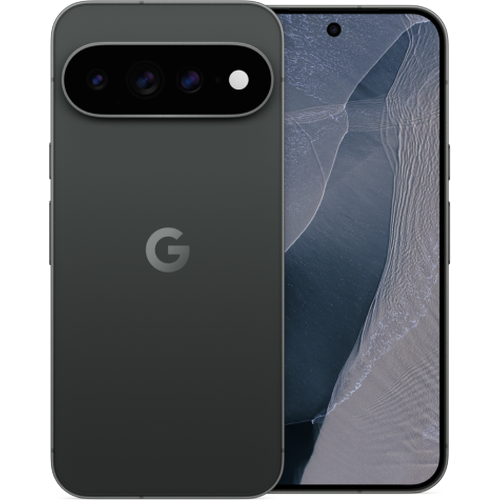
Pixel 11 Pro XL
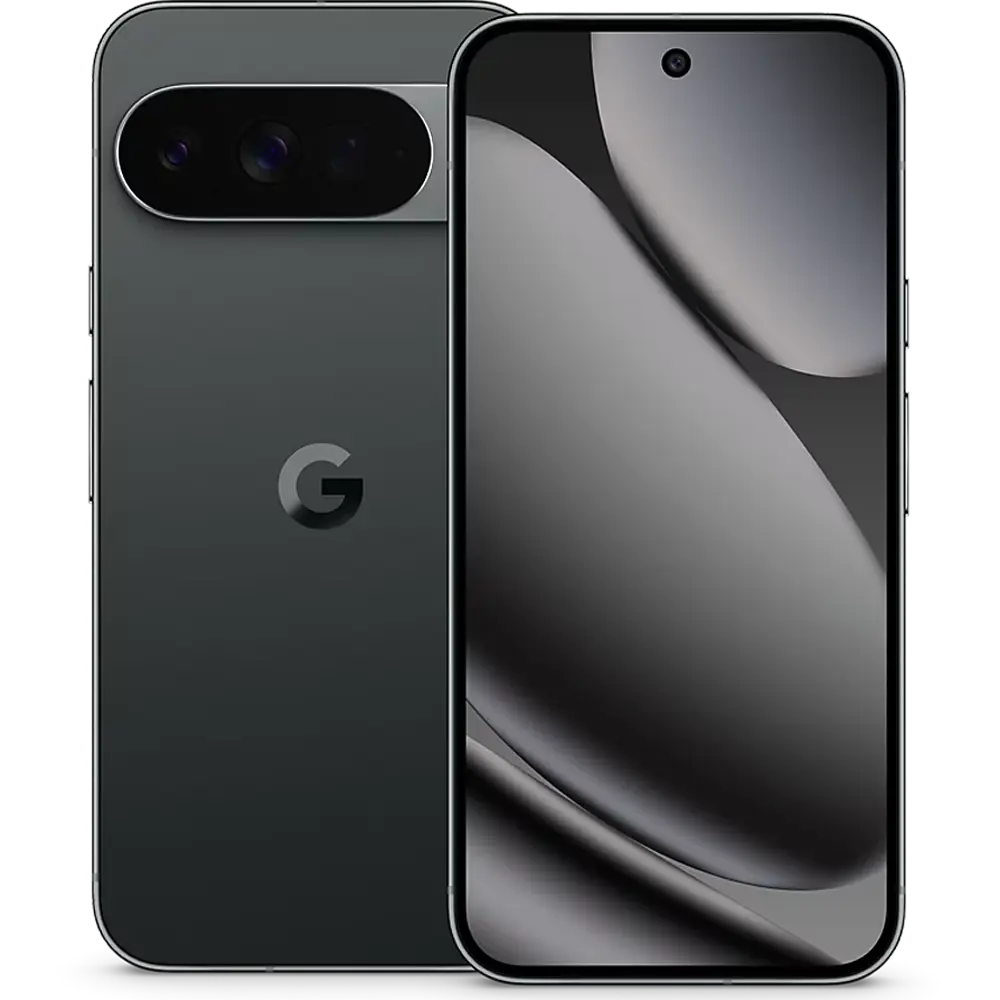
Pixel 10 Pro XL
Ranked #24 of 61
Ranked #40 of 61
Overall
Overall

The Pixel 11 Pro XL is the generational successor to the Pixel 10 Pro XL, carrying the same basic blueprint: 6.8-inch OLED, triple rear cameras with a 5x telephoto, aluminum and glass construction. It costs $1,299, a $100 premium over the Pixel 10 Pro XL's $1,199. Both phones target the same buyer: someone who wants Google's camera processing and software in the biggest screen the company offers.
The Pixel 11 Pro XL is stronger in more areas: better speakers, longer battery life during active use, faster charging, a more responsive display, and clearly superior telephoto and front cameras. The Tensor G6 also delivers a significant jump in browser performance. The Pixel 10 Pro XL counters with a noticeably sharper main camera and ultrawide, slightly more accurate display colors, and lower overnight standby drain. It ships with 16GB of RAM standard, while the Pixel 11 starts at 12GB. The $100 saved doesn't hurt either.
Design
| Google Pixel 11 Pro XL | Google Pixel 10 Pro XL | |
|---|---|---|
| Specifications | ||
| Dimensions | 162.7 x 76.5 x 8.5 mm | 162.8 x 76.6 x 8.5 mm |
| Weight | 226g | 232g |
| IP Rating | IP68 | IP68 |
| Frame | Aluminum | Aluminum |
| Front | Gorilla Glass Victus 2 | Gorilla Glass Victus 2 |
| Back | Gorilla Glass Victus 2 | Glass |
| Screen-to-body ratio | 89.6% | 89.5% |
Both phones are nearly identical in size. The Pixel 11 Pro XL measures 162.7 x 76.5 x 8.5mm and weighs 226g; the Pixel 10 Pro XL measures 162.8 x 76.6 x 8.5mm at 232g. Six grams lighter on the Pixel 11, not something you'd notice without a scale. Both use aluminum frames and Gorilla Glass Victus 2 on the front. The Pixel 11 Pro XL also uses Gorilla Glass Victus 2 on the back, while the Pixel 10 Pro XL has an unspecified glass back. Both carry IP68 water resistance, rated for submersion in 1.5 meters of fresh water for up to 30 minutes.
Screen-to-body ratios are essentially identical: 89.6% for the Pixel 11 Pro XL, 89.5% for the Pixel 10 Pro XL. Both use a 20:9 aspect ratio. From the front, these phones are indistinguishable by proportion. The Pixel 11's slightly lower weight and Victus 2 back glass are the only tangible differences on paper.
Bandicoot Lab doesn't formally test design or durability. This section describes what's on paper only.
Display
| Google Pixel 11 Pro XL | Google Pixel 10 Pro XL | |
|---|---|---|
718/ 881 | 714/ 881 | |
Both phones use a 6.8-inch LTPO OLED panel at 1344 x 2992 resolution (486 pixels per inch) with a 1–120Hz adaptive refresh rate. The specs are shared. Testing shows where they diverge.
Manual brightness is nearly tied: 1,403 nits on the Pixel 11 Pro XL versus 1,435 nits on the Pixel 10 Pro XL. In HDR content with auto brightness, the Pixel 11 peaks higher at 3,577 nits versus 3,405 nits. It also holds brightness more evenly across different HDR window sizes (68.3% stability versus 66.2%) and sustains it better over a 30-minute HDR test (98.1% versus 96.2%). For long movie sessions, the Pixel 11 delivers a slightly more consistent picture.
Color accuracy in the best calibrated mode is close, with a slight edge to the Pixel 10 Pro XL. Its colors land fractionally closer to reference targets and neutral tones hold truer. Both phones cover sRGB well (98.9% versus 98.4%) and DCI-P3 similarly (74.4% versus 72.9%). Neither has a color cast you'd spot in normal use. For HDR tone mapping, the Pixel 11 Pro XL tracks the standard brightness curve more closely and slightly lifts highlights above their mastered levels, giving HDR content a subtle pop. It clips at the 95% input level, losing gradation in the brightest highlights. The Pixel 10 Pro XL renders highlights a touch dimmer than mastered but preserves subtle detail through the full range.
Touch latency is where the gap gets tangible: 9.9ms on the Pixel 11 versus 15.7ms on the Pixel 10. Scrolling feeds won't feel different, but in fast-paced games or quick text input, the Pixel 11 responds noticeably faster.
Performance
| Google Pixel 11 Pro XL | Google Pixel 10 Pro XL | |
|---|---|---|
494/ 1012 | 416/ 1012 | |
The Pixel 11 Pro XL runs Google's Tensor G6 with 12GB of RAM (a 16GB option is available). The Pixel 10 Pro XL uses the Tensor G5 with 16GB standard.
CPU benchmarks show a solid generational jump. The Pixel 11 scores 2,645 single-core and 7,269 multi-core in GeekBench 6, compared to 2,305 and 6,192 for the Pixel 10. That's roughly 15% in single-threaded work and 17% in multi-threaded tasks. In practice, this means slightly faster app launches and smoother multitasking, though both phones handle everyday tasks without hesitation.
GPU performance is effectively flat. The Pixel 11 peaks slightly higher in the 3DMark Wild Life Extreme stress test, but the gap is around 3%. The Pixel 10 sustains its GPU output a bit better, holding 79.4% stability across the stress test versus 76.8% for the Pixel 11. For gaming, these two feel the same.
Browser performance is the standout CPU gain. The Pixel 11 Pro XL scores 26.2 in Speedometer versus 15.6 for the Pixel 10, a 68% improvement. This is the kind of gap you notice when loading complex web pages or running web apps.
Camera
| Google Pixel 11 Pro XL | Google Pixel 10 Pro XL | |
|---|---|---|
468/ 587 | 445/ 587 | |
Both phones carry a 50-megapixel main camera, 48-megapixel ultrawide, 48-megapixel telephoto, and 42-megapixel front camera. The main sensors are nearly the same size (1/1.3" on the Pixel 11, 1/1.31" on the Pixel 10), and the ultrawides are close too (1/2.51" versus 1/2.55"). The big hardware change is the telephoto: the Pixel 11 Pro XL uses a 1/1.95" sensor, significantly larger than the Pixel 10's 1/2.55". The Pixel 11 also extends digital zoom to 120x versus 100x.
Sharpness overall tips toward the Pixel 10 Pro XL on the main and ultrawide cameras, with a clear advantage in bright and mid lighting. The telephoto and front cameras are closer, with the Pixel 11 holding up better in low light. At extreme zoom levels beyond 10x, both phones produce similar results. The Pixel 11's extra reach to 120x doesn't come with meaningfully better detail. Past about 30x on either phone, you're deep in processed digital crops that look about equally soft.
Both phones lean vivid. Google's processing pushes saturation in good lighting, giving photos a punchy look. The Pixel 11 dials this back in darker conditions, producing more natural-looking low-light shots. The Pixel 10 stays saturated even in dim light, keeping photos looking consistent but sometimes feeling oversaturated. The Pixel 11's main and telephoto lenses lean slightly cool in bright light; the Pixel 10 tends warm across most lenses.
Hue accuracy and skin tone rendering are where the Pixel 11 Pro XL gains the most ground, particularly on the telephoto and front camera. The Pixel 10's color processing struggles under warmer, dimmer light: skin tones drift, and hue errors climb. On several lenses, the Pixel 10 shows a strong magenta shift in dark conditions driven by sensor-level limitations rather than white balance correction. The Pixel 11 isn't error-free, but its hue accuracy degrades less and more gradually as lighting dims.
Main
| Google Pixel 11 Pro XL (Main) | Google Pixel 10 Pro XL (Main) | |
|---|---|---|
467/ 722 | 517/ 722 | |
The Pixel 10 Pro XL's main camera resolves more detail than the Pixel 11's across all lighting conditions, and by a visible margin. Fine textures, distant foliage, small text: the Pixel 10 captures more of it. Both cameras cover 1x through 5x (where the telephoto takes over), and the Pixel 10 holds detail better as you crop in through that range. The Pixel 11 softens more noticeably toward 3–4x.
Both cameras produce a vivid, saturated look in bright light. The Pixel 11 leans slightly cool and eases off saturation in dark conditions. The Pixel 10 leans warm and stays vivid throughout. Skin tones are similarly inaccurate in bright light on both phones. In mid and dark lighting, the Pixel 11 is significantly more accurate. Faces look natural where the Pixel 10's skin rendering drifts. The Pixel 10's hue accuracy also drops in dark conditions, with a magenta shift pointing to sensor-level limitations.
The Pixel 11's main camera retains more shadow detail and handles high-contrast scenes with greater depth. The Pixel 10 clips highlights and compresses the tonal range more aggressively, which can flatten scenes like backlit portraits or bright skies above shadowed streets. The Pixel 11 still clips highlights but preserves more of the scene overall.
Ultrawide
| Google Pixel 11 Pro XL (Ultrawide) | Google Pixel 10 Pro XL (Ultrawide) | |
|---|---|---|
397/ 722 | 479/ 722 | |
The Pixel 10 Pro XL's ultrawide is sharper in bright and mid lighting. In dark conditions, the two converge. Both use 48 megapixels at f/1.7 with similar sensor sizes, so the sharpness gap likely comes down to processing differences.
The Pixel 10's ultrawide carries a warm, yellow-leaning cast that intensifies under indoor and low lighting. In dark conditions, hue accuracy degrades severely, with colors drifting visibly in the red-magenta range. This stems from a combination of sensor-level hue confusion and white balance overcorrection, with the sensor limitation dominating. The Pixel 11's ultrawide is more restrained in saturation and handles the transition to warmer lighting with fewer errors, though it also loses hue accuracy in the dark. Skin tones are similar between the two in bright and mid light; the Pixel 11 is more accurate in the dark.
Dynamic range is similar. Both clip highlights, and neither ultrawide matches its respective main camera for shadow detail or tonal smoothness.
Telephoto
| Google Pixel 11 Pro XL (Telephoto) | Google Pixel 10 Pro XL (Telephoto) | |
|---|---|---|
629/ 722 | 471/ 722 | |
The Pixel 11 Pro XL's telephoto sits on a 1/1.95" sensor at f/2.8 with a 106mm equivalent focal length. The Pixel 10's telephoto uses a 48-megapixel f/2.8 at 113mm on a much smaller 1/2.55" sensor. The Pixel 10 is slightly longer natively but gives up significant sensor area.
Sharpness is close in good light. The Pixel 10 holds a slight edge in bright and mid conditions; the Pixel 11 is sharper in the dark. As zoom increases past the native length toward each phone's digital crop ceiling, detail falls off at a comparable rate on both.
The Pixel 11's telephoto maintains consistent hue accuracy across lighting conditions and renders skin tones well. The Pixel 10's telephoto colors degrade in dim conditions, with large hue errors and a yellow-to-magenta cast in mid and low light. Skin tones on the Pixel 10 are noticeably off across all three lighting conditions, while the Pixel 11 stays close to natural.
The Pixel 11 also preserves highlight detail without clipping, giving high-contrast telephoto shots more natural tonality. The Pixel 10's telephoto clips highlights. Video stabilization is noticeably better on the Pixel 11's telephoto as well, keeping handheld footage steadier at 5x where any shake gets amplified.
Front
| Google Pixel 11 Pro XL (Front) | Google Pixel 10 Pro XL (Front) | |
|---|---|---|
463/ 722 | 347/ 722 | |
Both phones use a 42-megapixel front camera at f/2.2 with a 17mm equivalent focal length. Sharpness is close across all lighting conditions, with small advantages trading between the two depending on the scenario. Neither has a decisive edge in detail.
Color separates these two front cameras more than sharpness does. The Pixel 10's front camera produces a vivid, warm look in bright and mid light. In dark conditions, it breaks down with an extreme magenta color shift that makes skin tones and backgrounds look unnatural. This is sensor-driven, not something processing can fully correct. The Pixel 11's front camera is more restrained in saturation throughout and avoids that low-light color collapse. Skin tones are more accurate in mid and dark lighting on the Pixel 11; the Pixel 10 is slightly better in bright light.
Dynamic range clearly favors the Pixel 11 Pro XL. Selfies in mixed lighting retain more detail in both bright and dark areas. The Pixel 10 compresses the range more heavily, losing depth in backlit scenarios. The Pixel 10's front camera does stabilize video better, which matters for handheld video calls.
Battery
| Google Pixel 11 Pro XL | Google Pixel 10 Pro XL | |
|---|---|---|
536/ 836 | 492/ 836 | |
The Pixel 10 Pro XL has a slightly larger battery at 5,200mAh versus the Pixel 11 Pro XL's 5,115mAh. The capacity difference is small, and the Pixel 11 is more efficient during active use.
The Pixel 11 Pro XL lasts 28.75 hours in video playback. That's comfortably two days of moderate use without reaching for a charger. The Pixel 10 Pro XL manages 23.31 hours, a solid day and a half but more likely to need a top-up during a long second day. Over five hours of additional video runtime is a meaningful gap.
Web browsing drain tells a similar story: 20% over five hours for the Pixel 11 versus 25% for the Pixel 10. Over a full workday of browsing, the Pixel 11 would retain roughly 60% of its charge where the Pixel 10 would sit closer to 50%. Gaming drain during the 3DMark stress test (which pushes the GPU harder than most real games) is 22% for the Pixel 11 and 27% for the Pixel 10.
Standby is the Pixel 10's win. Over an eight-hour overnight idle, it drains just 2% versus 4% for the Pixel 11. Both are low, but if your phone spends long stretches sitting idle on a desk or nightstand, the Pixel 10 sips less.
Charging
| Google Pixel 11 Pro XL | Google Pixel 10 Pro XL | |
|---|---|---|
456/ 837 | 403/ 837 | |
Both phones support 45W wired charging and Qi2-compatible magnetic wireless charging. The Pixel 11 Pro XL charges wirelessly at up to 25W versus 15W for the Pixel 10.
Wired, the Pixel 11 reaches 29% in 10 minutes and 77% in 30 minutes. The Pixel 10 reaches 25% and 70% at the same intervals. The gap isn't dramatic, but a quick top-up consistently nets you a few extra percent on the Pixel 11.
Wireless charging shows a similar spread: 13% versus 12% at 10 minutes, 44% versus 39% at 30 minutes. The Pixel 11's higher wireless wattage doesn't double the charging speed, but the advantage accumulates. If you keep your phone on a magnetic charger during work hours, you'll notice the difference by the afternoon.
Speaker
| Google Pixel 11 Pro XL | Google Pixel 10 Pro XL | |
|---|---|---|
897/ 897 | 645/ 897 | |
The two phones peak at similar volumes: 76.6 dBA for the Pixel 11 Pro XL, 75.8 dBA for the Pixel 10 Pro XL. Everything else favors the Pixel 11 substantially.
The Pixel 11 produces 3.79% total harmonic distortion compared to 10.13% for the Pixel 10. At higher volumes, the Pixel 10 sounds strained; the Pixel 11 stays clean. Bass is the biggest character difference. The Pixel 11 extends meaningfully deeper, giving music and video a fullness the Pixel 10 can't match. The older phone's bass drops off early, leaving audio thinner and more tinny. The Pixel 11 also delivers noticeably better high-end clarity. If you use your phone's speakers for anything beyond the occasional notification, this is one of the most audible differences between these two phones.
Microphone
| Google Pixel 11 Pro XL | Google Pixel 10 Pro XL | |
|---|---|---|
820/ 1220 | 713/ 1220 |
Both phones have good microphones. The Pixel 11 Pro XL has a more even frequency response across the audible range.
Recorded audio from the Pixel 11 sounds more balanced across voice memos, video, and calls. The Pixel 10 Pro XL's microphone is slightly less consistent but still above average. On a typical voice call, you're unlikely to hear much difference.
Other
| Google Pixel 11 Pro XL | Google Pixel 10 Pro XL | |
|---|---|---|
| Biometrics | 687/ 1181 | 491/ 1181 |
| Data Transfer | 323/ 943 | 263/ 943 |
| Specifications | ||
| Biometric type | Fingerprint | Fingerprint |
| Ports | USB-C 3.2 | USB-C 3.2 |
| Storage | 256GB, 512GB, 1TB | 256GB, 512GB, 1TB |
Both phones use ultrasonic fingerprint sensors. The Pixel 11 Pro XL averages 153ms unlock speed versus 214ms for the Pixel 10. The Pixel 11 registers as nearly instant; the Pixel 10 has a perceptible pause. Neither phone offers hardware-based face unlock.
Both use USB-C 3.2 ports. Data transfer speeds are modestly faster on the Pixel 11 Pro XL: 128 MB/s read and 151 MB/s write, compared to 105 MB/s and 131 MB/s on the Pixel 10. Both are available in 256GB, 512GB, and 1TB storage configurations.
Conclusion
The Pixel 11 Pro XL improves on its predecessor in most measurable ways. Battery efficiency during active use, speaker quality, touch latency, browser speed, fingerprint response, and the telephoto and front cameras are all meaningfully better. The telephoto upgrade is the single biggest camera improvement. Backed by a much larger sensor, it delivers better color, dynamic range, and stabilization than the Pixel 10's telephoto. The speakers are a dramatic generational step forward in clarity, bass, and cleanliness.
The Pixel 10 Pro XL's case is narrower but real. Its main camera and ultrawide resolve more detail, and the difference is visible in good light. It drains less battery overnight, offers 16GB of RAM as standard, and costs $100 less. If most of your photography happens at wide angles in decent light and sharpness is your priority, the Pixel 10 still delivers.
For someone who uses their phone's cameras across the full zoom range, cares about speaker quality, and wants better active battery life, the Pixel 11 Pro XL's $100 premium is straightforward to justify. For someone who shoots primarily with the main and ultrawide lenses and would rather save a hundred dollars, the Pixel 10 Pro XL remains a capable choice.
FAQ
Is it worth upgrading from the Pixel 10 Pro XL to the Pixel 11 Pro XL?
The biggest gains are in the telephoto and front cameras, speaker quality, battery life during active use, touch response, and browser speed (26.2 in Speedometer versus 15.6). GPU performance is essentially unchanged, and the Pixel 11's main and ultrawide cameras resolve less detail. It's worth the extra $100 if you use the zoom lens, selfies, or speakers often. If you mostly shoot with the main and ultrawide cameras, the Pixel 10 Pro XL covers you.
Which has the better camera, the Pixel 11 Pro XL or the Pixel 10 Pro XL?
It depends on the lens. The Pixel 10 Pro XL's main and ultrawide cameras are sharper, especially in bright and mid lighting. The Pixel 11 Pro XL has a clearly better telephoto and front camera, with more accurate skin tones, better dynamic range, and far less color drift in dim light. The Pixel 11's main camera also holds more shadow detail in high-contrast scenes.
How does battery life compare between the Pixel 11 Pro XL and Pixel 10 Pro XL?
The Pixel 11 Pro XL lasts 28.75 hours in video playback versus 23.31 hours for the Pixel 10 Pro XL, and it drains 20% over five hours of web browsing versus 25%. This is despite a slightly smaller battery (5,115mAh versus 5,200mAh). The Pixel 10 Pro XL wins on overnight standby, losing 2% over eight hours versus 4% for the Pixel 11.
Does the Pixel 11 Pro XL charge faster than the Pixel 10 Pro XL?
Yes, though the gap is modest. Both support 45W wired charging, but the Pixel 11 Pro XL reaches 29% in 10 minutes and 77% in 30 minutes, against 25% and 70% for the Pixel 10 Pro XL. Wireless is 25W on the Pixel 11 versus 15W on the Pixel 10, which works out to 44% versus 39% after 30 minutes.
Is the Pixel 11 Pro XL better than the Pixel 10 Pro XL for gaming?
GPU performance is effectively the same on both, and the Pixel 10 Pro XL holds its output slightly steadier under sustained load (79.4% stability versus 76.8%). The Pixel 11 Pro XL has the advantage in touch latency, at 9.9ms versus 15.7ms, and it used less battery in the gaming stress test (22% versus 27%). Gamers get a more responsive screen and better endurance on the Pixel 11, but not more graphics power.
Do the Pixel 11 Pro XL speakers sound better than the Pixel 10 Pro XL's?
Yes, by a clear margin. Peak volume is similar, but the Pixel 11 Pro XL measures 3.79% total harmonic distortion versus 10.13% on the Pixel 10 Pro XL. It also has deeper bass and clearer highs, while the Pixel 10's speakers sound thinner and strained at higher volume.
Related
Pixel 11 Pro XL
Pixel 10 Pro XL
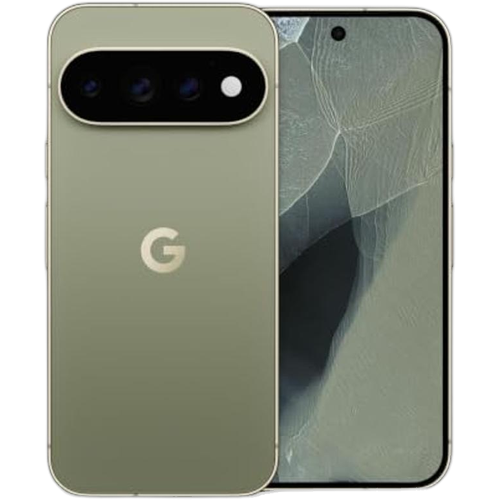
Pixel 11 Pro
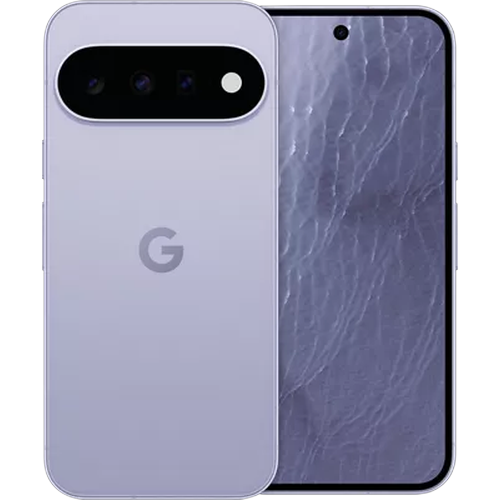
Pixel 11
Pixel 11 Pro Fold
Pixel 10a
Poco F9 Ultra vs Google Pixel 11 Pro XL
Google Pixel 11 Pro XL vs Samsung Galaxy S26 Ultra
Google Pixel 11 Pro XL vs Honor Magic8 Pro
Google Pixel 11 Pro XL vs Apple iPhone 17 Pro Max
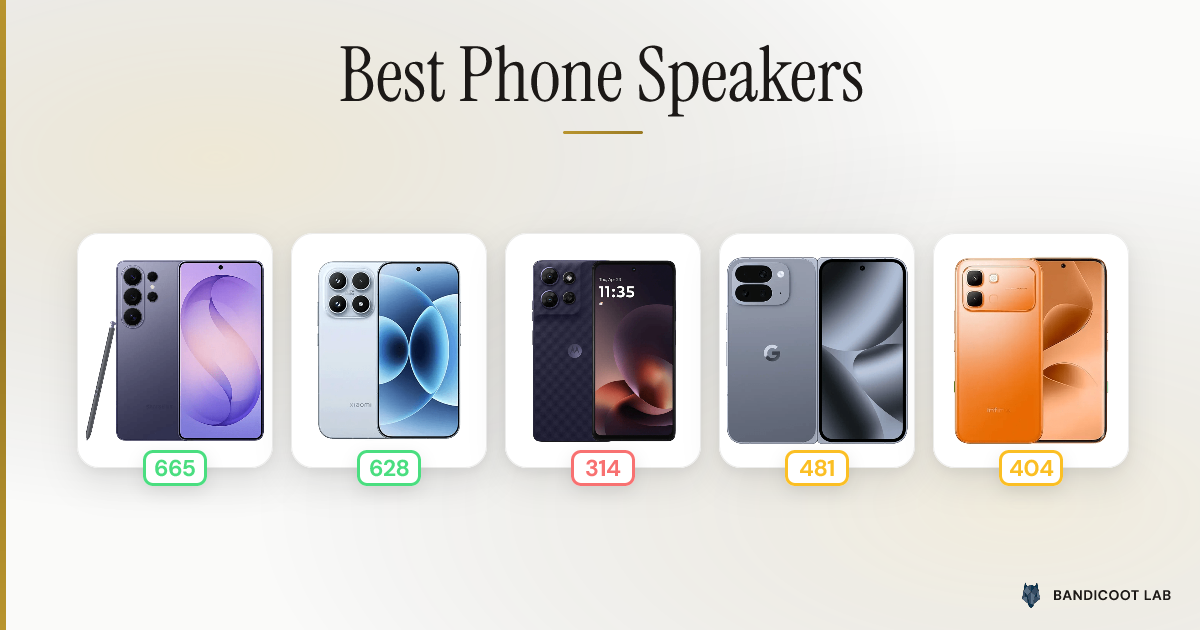
Best Phone Speakers
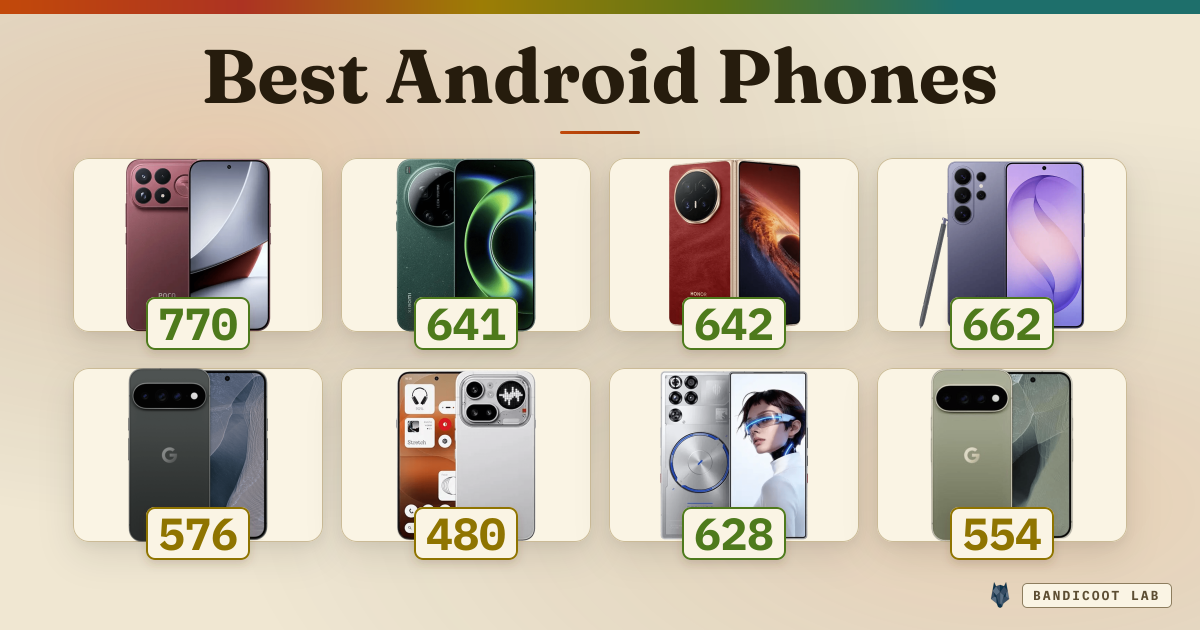
Best Android Phones